
If you are struggling with debt, the word “bankruptcy” can feel intimidating. You might worry that by filing for protection, you’re signing away your future rights or setting a trap for yourself if something unexpected happens.
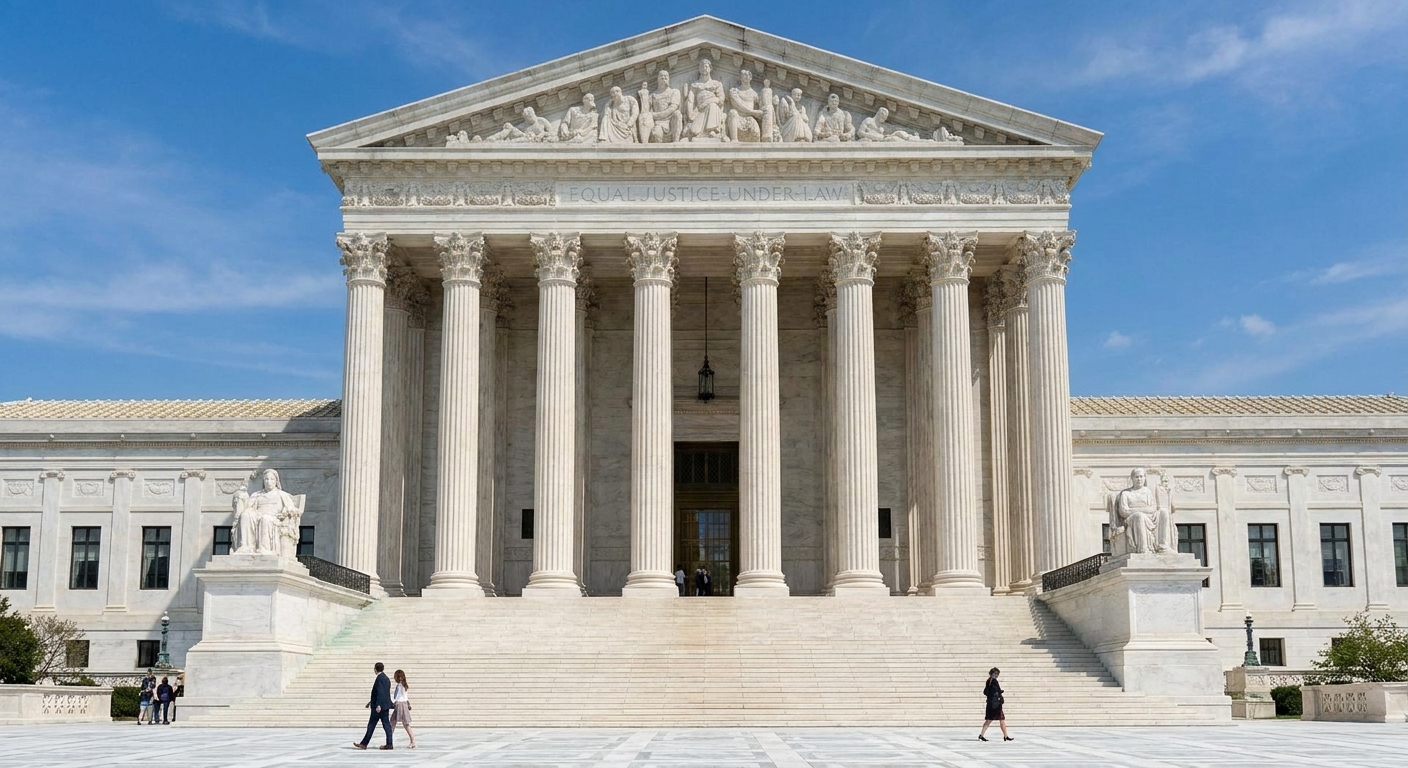
We have some incredible news that should help put those fears to rest. On June 11, 2026, the Supreme Court of the United States issued a unanimous decision in the case Keathley v. Buddy Ayers Construction, Inc. This ruling is a major win for everyday people and families. It ensures that an honest mistake during your bankruptcy won’t be used as a “gotcha” to take away your legal rights.
Here is a link to the full opinion.
The Problem: The “Gotcha” Rule
For years, some courts used a rigid legal rule called “judicial estoppel.” In simple terms, if you were in the middle of a bankruptcy and were injured in a car accident or a work incident, you were required to tell the bankruptcy court about your potential personal injury claim.
If you made a mistake—perhaps you didn’t realize you had to report it, or your lawyer didn’t update the paperwork fast enough—the person or company who injured you could ask a judge to throw your injury case out entirely. They would argue that because you didn’t list the claim in your bankruptcy, you shouldn’t be allowed to sue for it later.
In many states, it didn’t matter if it was an honest mistake. If you knew about the accident, the court assumed you were trying to hide money, and your injury case was over. This allowed big companies and insurance providers to escape responsibility for the harm they caused.
The Solution: The Supreme Court Steps In
The Supreme Court has officially put a stop to that unfair practice. In the Keathley case, a man in a Chapter 13 bankruptcy was in a car accident. He told his bankruptcy lawyer about it, but the paperwork wasn’t updated immediately. The construction company that hit him tried to get his lawsuit dismissed because of that delay.
Justice Ketanji Brown Jackson, writing for a unanimous Court, said that courts cannot use “mechanical rules” to punish debtors. Instead, the Court ruled that:
-
Honest mistakes happen. Courts must look at the “totality of the circumstances” (the whole story) before throwing out a case.
-
Intent matters. If a person makes an inadvertent error or a simple oversight, they shouldn’t lose their right to seek justice for an injury.
-
Bankruptcy is a tool for equity. The goal of bankruptcy is to help people get back on their feet, not to provide a “windfall” for companies that hurt people.
Why This is Great News for You
If you are considering filing for Chapter 7 or Chapter 13 bankruptcy, this ruling makes the process much safer and more predictable.
-
You don’t have to be perfect: While you should always be honest and transparent with the court, the law now protects you from being “punished” for simple, human errors.
-
Protection for the unexpected: Life doesn’t stop just because you file for bankruptcy. If you get into an accident or suffer an injury while your case is open, your right to hold the responsible party accountable is now more secure than ever.
-
It actually helps your creditors: As Justice Sotomayor pointed out in her supporting opinion, if you win an injury case, that money can often be used to pay off your debts faster. Throwing out injury cases only helps the person who caused the accident—it doesn’t help you or the people you owe.
Bankruptcy: A Path to Peace of Mind
Bankruptcy is designed to be a “fresh start.” It’s a way for families to hit the reset button on overwhelming medical bills, credit card debt, and loans.
This Supreme Court decision confirms that the law is on the side of the “honest but unfortunate debtor.” You aren’t “hurting yourself” by filing; you are using a legal protection that the highest court in the land just made even stronger.
Do you have questions about how a personal injury claim might affect your bankruptcy?
Don’t navigate these waters alone. Our firm is here to help you understand your rights and ensure that you get the full benefit of your fresh start.
Call us today for a free consultation. Let’s talk about your future.