
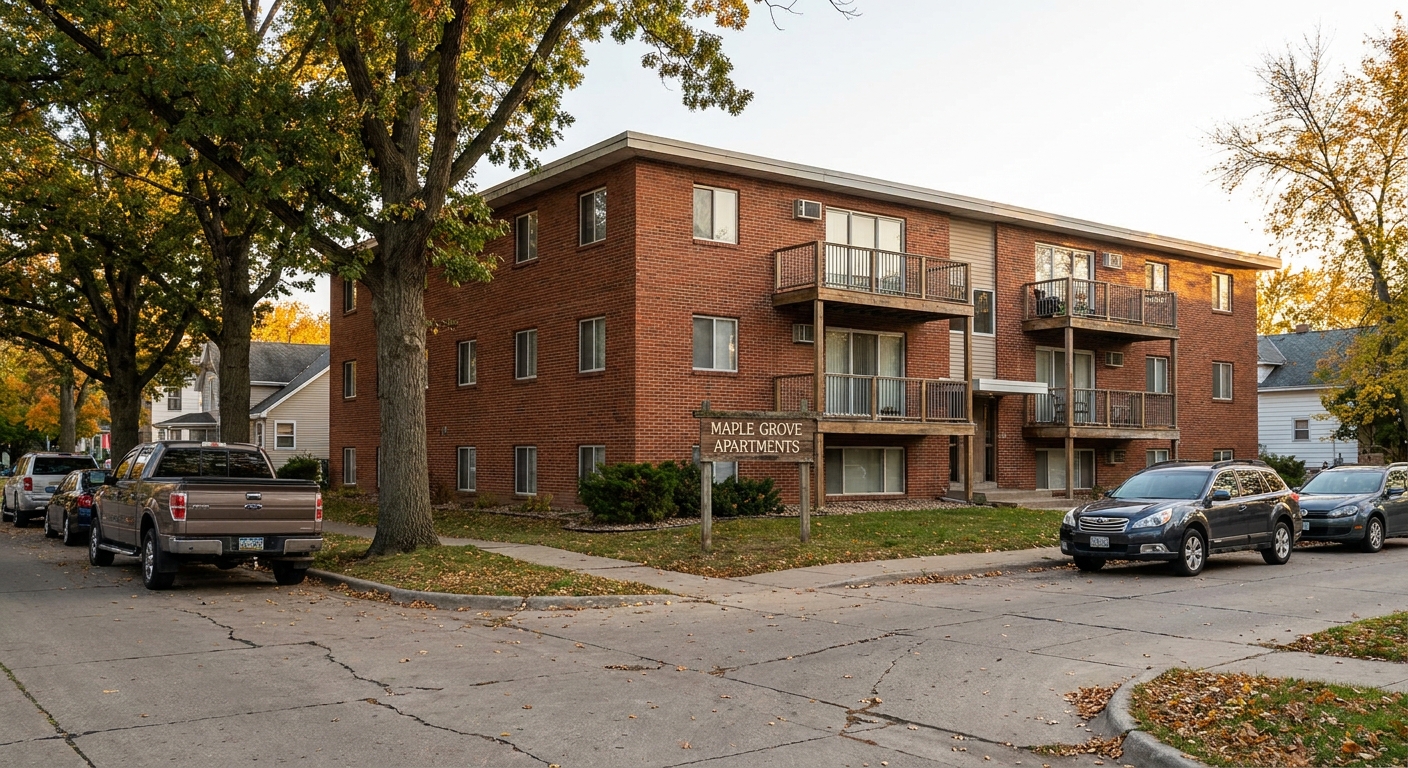
If you’re a Minnesota renter facing mounting rental debt and the looming threat of eviction, bankruptcy might offer you a lifeline you haven’t considered. Many tenants don’t realize that filing for bankruptcy can discharge debt owed to landlords and provide critical breathing room during a financial crisis. Understanding how bankruptcy law intersects with lease obligations in Minnesota could be the difference between finding your footing and facing homelessness. We regularly file bankruptcy to stop evictions!
How Bankruptcy Addresses Rental Debt in Minnesota
Under federal bankruptcy law, which applies uniformly across Minnesota and all other states, rental debt is generally considered an unsecured debt—similar to credit card balances or medical bills. This classification is crucial because it means most rental-related obligations can be discharged through bankruptcy.
What Gets Discharged?
When you file for bankruptcy in Minnesota, several types of rental-related debts can be eliminated:
Rental Arrears: Any back rent you owe before filing your bankruptcy petition is typically dischargeable. If you’re three months behind on rent when you file, that entire amount can be wiped out through bankruptcy.
Broken Lease Penalties: If you broke your lease early and the landlord is claiming damages for the remaining months of the lease term, those claims are generally dischargeable.
Property Damage Claims: If your landlord alleges you damaged the rental property beyond normal wear and tear, these claims can often be discharged (though there are exceptions for willful and malicious injury, which is a high standard to meet).
Late Fees and Other Charges: Any additional fees your landlord has added to your account—late fees, NSF charges, administrative fees—are typically dischargeable as well.
The bankruptcy filing gives you the option of voiding the existing lease contract, so you can either sign a new lease or move out. People who want to keep their leases can keep and pay and nothing changes with the landlord. If you want to move out, then you can stop paying and not owe anything else to the landlord. You only have a month or two to find a new place, however!
The Automatic Stay: Your Immediate Protection
The moment you file for bankruptcy, something powerful happens: the automatic stay goes into effect. This is a federal court order that immediately stops most collection activities, including:
- Eviction proceedings (in most cases)
- Collection calls and letters from your landlord
- Lawsuits for unpaid rent
- Wage garnishment
- Bank account levies
This automatic stay creates the breathing room that makes bankruptcy so valuable for tenants in crisis. However, it’s important to understand the limitations, which we’ll discuss below.
The Strategic Timing: Why Filing Before Eviction Matters
Here’s where strategic timing becomes critical for Minnesota renters. The optimal moment to file bankruptcy is typically when you’re one to two months behind on rent but before your landlord has initiated formal eviction proceedings or obtained a judgment for possession. This is best because there will never be a court filing for eviction, so it won’t come up on background checks.
You can also file just before the eviction hearing, which will set the landlord back about 1.5 months. If you file before they start the eviction filing, however, you will get at least 2.5 months.
Why This Window Matters
Maximizing Your Stay Time: When you file bankruptcy while still technically in possession of your rental unit, the automatic stay prevents your landlord from proceeding with eviction—at least temporarily. This gives you approximately 30 to 60 days to remain in the property while you work on securing new housing or negotiating with your landlord.
Preventing New Fees: Once you file bankruptcy, your landlord cannot add new charges to your pre-petition debt. Any fees or penalties they attempt to tack on after your filing date are violations of the automatic stay.
Avoiding Judgment Complications: If your landlord has already obtained an eviction judgment before you file bankruptcy, the automatic stay’s protection is more limited. Under bankruptcy law, if the landlord obtained a judgment for possession before your bankruptcy filing, they can often proceed with eviction after giving notice to the bankruptcy court.
Minimizing Non-Dischargeable Debt: The rent you accrue after filing bankruptcy is not dischargeable. Therefore, filing when you’re only one or two months behind (rather than waiting until you’re four or five months behind) limits the amount of post-petition rent that accumulates while you’re transitioning to new housing.
What Happens to Your Security Deposit?
One question Minnesota tenants frequently ask is: “What about my security deposit?” The answer is straightforward but often disappointing: your landlord typically gets to keep your security deposit.
Here’s why: Security deposits exist specifically to cover unpaid rent and property damage. When you discharge rental debt through bankruptcy, you’re eliminating your obligation to pay that debt, but the landlord can still apply your security deposit to those obligations. Think of it this way—the discharge eliminates any debt beyond what the security deposit covers.
For example, if you owe $2,400 in back rent and you had a $1,000 security deposit, the landlord keeps the deposit and applies it to your debt. The remaining $1,400 is what gets discharged in bankruptcy. You won’t owe that $1,400, but you also won’t get your security deposit returned.
Minnesota law provides specific protections regarding security deposits under Minnesota Statutes Section 504B.178, which requires landlords to provide an itemized statement when withholding deposit funds. However, when there’s legitimate unpaid rent, landlords are generally entitled to retain the deposit regardless of bankruptcy.
Chapter 7 vs. Chapter 13: Which Is Right for Renters?
Minnesota residents have two primary bankruptcy options: Chapter 7 and Chapter 13. For renters dealing with lease debt, Chapter 7 is usually the more appropriate choice.
Chapter 7 Bankruptcy
Chapter 7, sometimes called “liquidation bankruptcy,” typically takes three to four months to complete. For most Minnesota renters, this is the preferred option because:
- It’s faster and less expensive
- It completely discharges eligible debts, including rental arrears
- Most renters don’t have significant assets that would be at risk
Minnesota uses federal bankruptcy exemptions or can choose Minnesota state exemptions, which protect certain property from liquidation. Since renters typically don’t own real estate, the exemptions easily cover their personal belongings.
Chapter 13 Bankruptcy
Chapter 13 involves a three-to-five-year repayment plan. While it can be useful for some situations (like saving a home from foreclosure), it’s generally less advantageous for renters with lease debt because:
- You’d be making monthly payments over several years
- The process is more complex and expensive
- It doesn’t offer significant advantages over Chapter 7 for unsecured rental debt
However, if you have other debts that make Chapter 13 necessary or beneficial (such as car loans you want to keep or non-dischargeable tax debt), it can still help with your rental situation.
Important Limitations and Considerations
Landlord’s Rights to Seek Relief from Stay
Your landlord can file a motion with the bankruptcy court asking for relief from the automatic stay. The court will typically grant this if:
- The landlord already had a judgment for possession before your filing
- You’re not paying post-petition rent
- The landlord demonstrates they’re being unfairly prejudiced
In Minnesota’s U.S. Bankruptcy Courts (District of Minnesota, with divisions in Minneapolis, St. Paul, Duluth, and Fergus Falls), these motions are common, and judges generally grant them when there’s ongoing non-payment of current rent.
Future Rental Applications
Being honest on future rental applications is important. Many applications ask about evictions and bankruptcies. While bankruptcy discharges your debt, you’ll need to explain the situation to prospective landlords. Some landlords understand that bankruptcy represents a fresh start, while others may be hesitant.
The good news: Minnesota law prohibits discrimination based solely on bankruptcy filing under certain circumstances, and many landlords recognize that someone who has discharged their debts through bankruptcy may actually be a better credit risk than someone drowning in debt.
At Walker and Walker we have never had someone unable to find a place to rent because of bankruptcy in our 40 years of experience and tens of thousands of cases.
The Fresh Start: Life After Bankruptcy
The fundamental purpose of bankruptcy law is to give honest debtors a fresh start. For Minnesota renters, this means:
Debt Elimination: Once your bankruptcy is complete (typically 90-120 days in Chapter 7), your discharged rental debt is gone forever. The landlord cannot pursue you for it or obtain judgments against you for those pre-bankruptcy amounts.
Financial Recovery: Without the burden of overwhelming debt, you’re in a better position to save for a new security deposit and demonstrate financial stability to potential landlords. Many people find that eliminating debt through bankruptcy actually improves their financial situation more quickly than struggling with unpayable obligations.
Legal Protection: The bankruptcy discharge is a permanent injunction. If your former landlord tries to collect on discharged debt, they’re violating federal law, and you can take action through the bankruptcy court.
Practical Steps for Minnesota Renters Considering Bankruptcy
If you’re a Minnesota renter facing rental debt, here are practical steps to consider:
- Assess your timing: If you’re one to two months behind but haven’t received an eviction notice, this may be the optimal time to consult with a bankruptcy attorney.
- Gather documentation: Collect your lease agreement, records of payments made, statements from your landlord showing amounts owed, and any correspondence about your rental debt.
- Understand your complete financial picture: Bankruptcy addresses all your debts, not just rental obligations. Consider your credit card debt, medical bills, and other financial obligations.
- Consult a Minnesota bankruptcy attorney: Bankruptcy law is complex, and an experienced attorney can help you navigate the process, maximize your protections, and avoid costly mistakes.
- Find a new place to live: Use the breathing room bankruptcy provides to secure new housing, whether that means finding a new rental, moving in with family, or exploring other options.
Conclusion: Making an Informed Decision
For Minnesota renters struggling with lease-related debt, bankruptcy offers a legitimate path to financial recovery. By discharging rental arrears, broken lease penalties, and related fees, bankruptcy law recognizes that sometimes people face circumstances beyond their control and deserve a second chance.
The key is understanding the timing: filing when you’re one or two months behind—but before eviction proceedings begin—maximizes your protection and provides the breathing room to transition to stable housing. While your landlord keeps your security deposit, you eliminate potentially thousands of dollars in debt that would otherwise follow you for years, limiting your opportunities.
If the bankruptcy is filed before the eviction filing, then there is usually never an eviction filing at all and it won’t show up on a background check or credit report.
We have helped thousands of Minnesotans get out of a bad housing situation with bankruptcy. The consultation is free, so why not reach out?